We value your privacy
We use cookies to enhance your browsing experience, analyze site traffic, and personalize content. By clicking "Accept All", you consent to our use of cookies.
Child Development
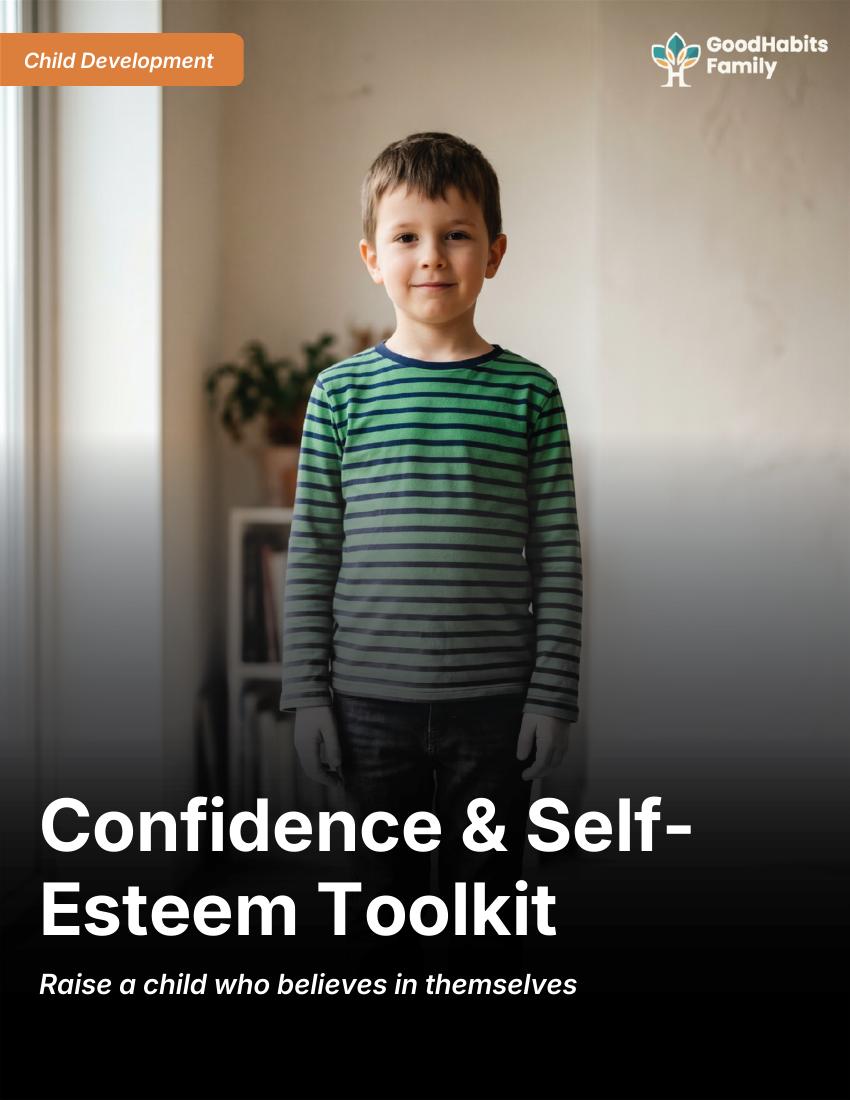
Confidence & Self-Esteem Toolkit
The shy hand that stays down. The "I'm not good at it" before trying. A gentle toolkit for building real, grounded confidence — not the loud, performative kind.
One-time purchase · Lifetime access · No subscription
At a glance
Ages 4–12
Printable PDF + digital reference
20 pages
Instant download after checkout
Start with the language audit
Lifetime access · re-download anytime
A challenge we hear all the time
You can see them shrinking. You don't know how to stop it.
Confidence isn't taught with pep talks. It's built quietly, in the language you use and the chances they take — and most parents are accidentally undoing it.
"I'm not good at it" — said before they've even tried
A hand that stays down in class even when they know the answer
Comparison to a sibling, classmate, or cousin that visibly stings
Tears over not winning, not being picked, or doing it "wrong"
A 7-year-old who says "I'm stupid" and a parent who doesn't know what to say
The praise you're giving doesn't seem to land — and might be making it worse
What could change
Imagine confidence that comes from the inside.
A child who tries the new thing, fumbles, and keeps trying. Who can say "I don't know" without shame and "I worked hard at this" with pride. Whose sense of self isn't hooked to winning, comparison, or your praise — but to a real, grounded relationship with their own effort and growth.
"I can't" becomes "I haven't yet" within weeks
Praise stops being the fuel — internal motivation takes over
Comparison to peers loses its sting
New things stop feeling like threats and start feeling like adventures
What you'll get
Everything inside the toolkit
The Praise Audit
A 3-page diagnostic on the praise you're currently giving (and what it's teaching).
Why it mattersYou stop accidentally raising a praise-dependent kid.
Effort-Based Language Library
40 swaps that replace "you're so smart" with confidence-building alternatives.
Why it mattersEvery interaction starts depositing into the real account — effort, persistence, identity.
The Brave Moments Tracker
A printable weekly tracker for noticing — and naming — small acts of courage.
Why it mattersWhat gets noticed grows. The tracker makes invisible bravery visible.
Failure Recovery Scripts
6 fridge-sized scripts for the after-mistake conversation.
Why it mattersThe 90 seconds after a mistake teach more about confidence than any pep talk.
Identity-Affirming Conversation Starters
20 questions that help a child define themselves beyond performance.
Why it mattersSelf-esteem becomes "who I am" instead of "what I did today."
Comparison Antidote Pages
A 4-page guide for jealousy, social media envy, and the "they're better than me" loop.
Why it mattersYou give your child tools for a world built on constant comparison.
After you buy
What happens next
From checkout to using it tonight, in three simple steps.
Run the Praise Audit
Honestly. For one full day, jot down every "good job" and "you're so smart" you say. Most parents are shocked by the count — and that's where the work begins.
Start the language swaps
Pick 3 swaps from the language library and use only those for a week. The other 37 will land naturally afterward.
Print the Brave Moments tracker
Pin it to the fridge. Name one small act of courage from each kid, every day, for two weeks. Watch what happens.
See inside
A look at every page
Click any preview to open the fullscreen viewer.
Research-backed
Because "you're so smart" is the most-damaging compliment in modern parenting.
Decades of research in growth mindset and self-determination theory point to the same truth: praising a child's identity ("you're so smart") teaches them that the identity is fragile and must be defended. Praising effort ("you really kept going on that") teaches them that they're a person who works through hard things. The first creates anxiety. The second creates confidence.
This toolkit operationalizes that research into the smallest possible unit: the next sentence you say. The Language Library has 40 specific swaps. The Brave Moments tracker turns invisible internal work into visible family ritual. The Failure Recovery scripts catch the highest-leverage moment in any kid's confidence trajectory — the 90 seconds right after they get something wrong.
It's not loud or aspirational. It's the quiet, sustained reshaping of language and ritual that builds an actual confident adult ten years from now.
Praise effort, not identity
The single highest-leverage swap in childhood confidence work.
Bravery noticed is bravery grown
The Brave Moments tracker makes the invisible visible.
Failure is the curriculum
How you respond in the 90 seconds after a mistake teaches more than any praise.
Is this right for you?
Perfect for…
Best for parents of children ages 4 to 12
- Your child seems to give up before trying
- Praise doesn't land — or it lands too hard and seems to add pressure
- You're seeing comparison or jealousy enter their world
- A perfectionist streak is starting to limit them
- You want to raise a confident adult, not a confident performer
This is NOT a "raise winners" book or a "boost their grades" manual. It's a relational, identity-based approach to grounded self-esteem. If you want competitive-edge parenting, this won't fit.
About us
Built by parents, for parents.
GoodHabits Family makes printable, research-backed parenting tools for the moments that matter most — not the moments you have time to read a book about. Every toolkit is tested with our community of 10,000+ families before it ships, and refined until it's calm enough to land on your fridge.
Read our full storyFAQ
Questions parents ask before they buy.
Is it really wrong to say "good job"?
It's not wrong — it's just low-nutrient. The toolkit doesn't ban it; it gives you 40 more specific alternatives so "good job" becomes a once-in-a-while phrase, not your default.
My child seems confident but actually crumbles at any mistake. What's happening?
That's "fragile confidence" — performance-based self-esteem. Pages 18–22 address this directly. The intervention is counter-intuitive: less praise, more failure exposure, more identity-affirming conversation.
My kid is in a school environment that does a lot of "you're a winner" stuff. Does the toolkit conflict?
No — it builds resilience to that exact dynamic. Many parents share the language library with teachers and grandparents to get more consistency.
What if I've been doing all the wrong things for years?
You haven't — you've been doing what you knew. The brain plasticity for confidence work runs all the way through adolescence. Course corrections at any age have measurable effects within months.
Will this make my child arrogant?
Effort-based confidence builds humility, not arrogance — because the child knows the work is the source, not innate superiority. The two are almost opposite.
My kid is naturally shy/introverted. Does that change anything?
No — quiet confidence is still confidence. The toolkit doesn't aim to make extroverts. Pages 11–13 specifically reframe what introverted confidence looks like.
How long until I see change?
Most parents see language shifts in their child within 3 weeks and meaningful identity-level shifts within 8–12 weeks.
What is your policy on digital products?
Due to the nature of digital downloads, all sales are final. If you experience any technical issues accessing your files, please contact our support team and we will ensure you receive the correct downloads.
Continue your journey
Pairs naturally with this

Where this leads
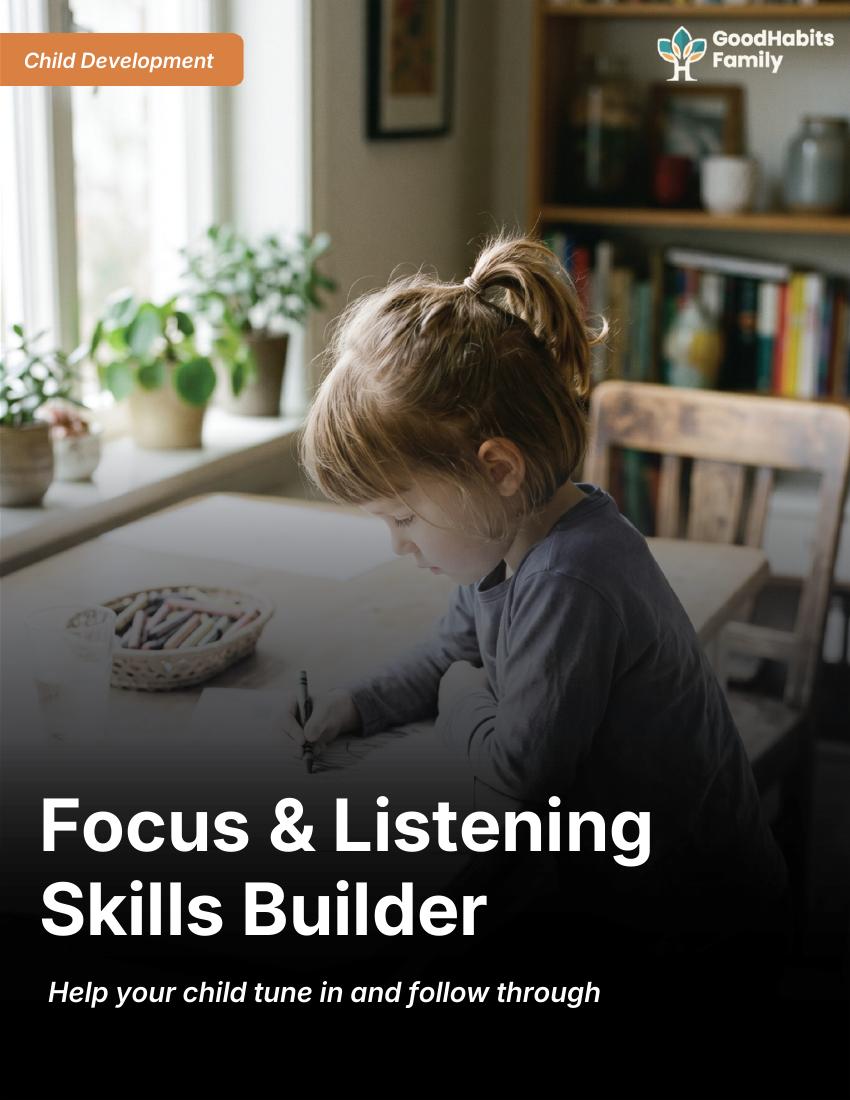
Confidence and resilience are the same muscle.
This toolkit handles the inner sense of self. The Growth Mindset & Resilience Guide handles the response to setbacks. They are the same project from two angles — and most families benefit from both. The Launch Bundle pairs them with the Emotional Regulation Toolkit (because shaky confidence often shows up as big feelings first).
Bundle price $49.99 · individual price $51.96 · save $1.97 plus a coordinated inner-development system
Stay in the loop
One thoughtful email a week.
Practical scripts, calm-down routines, and parenting reframes you can actually use. Unsubscribe any time.
Grab the Free Starter Guide